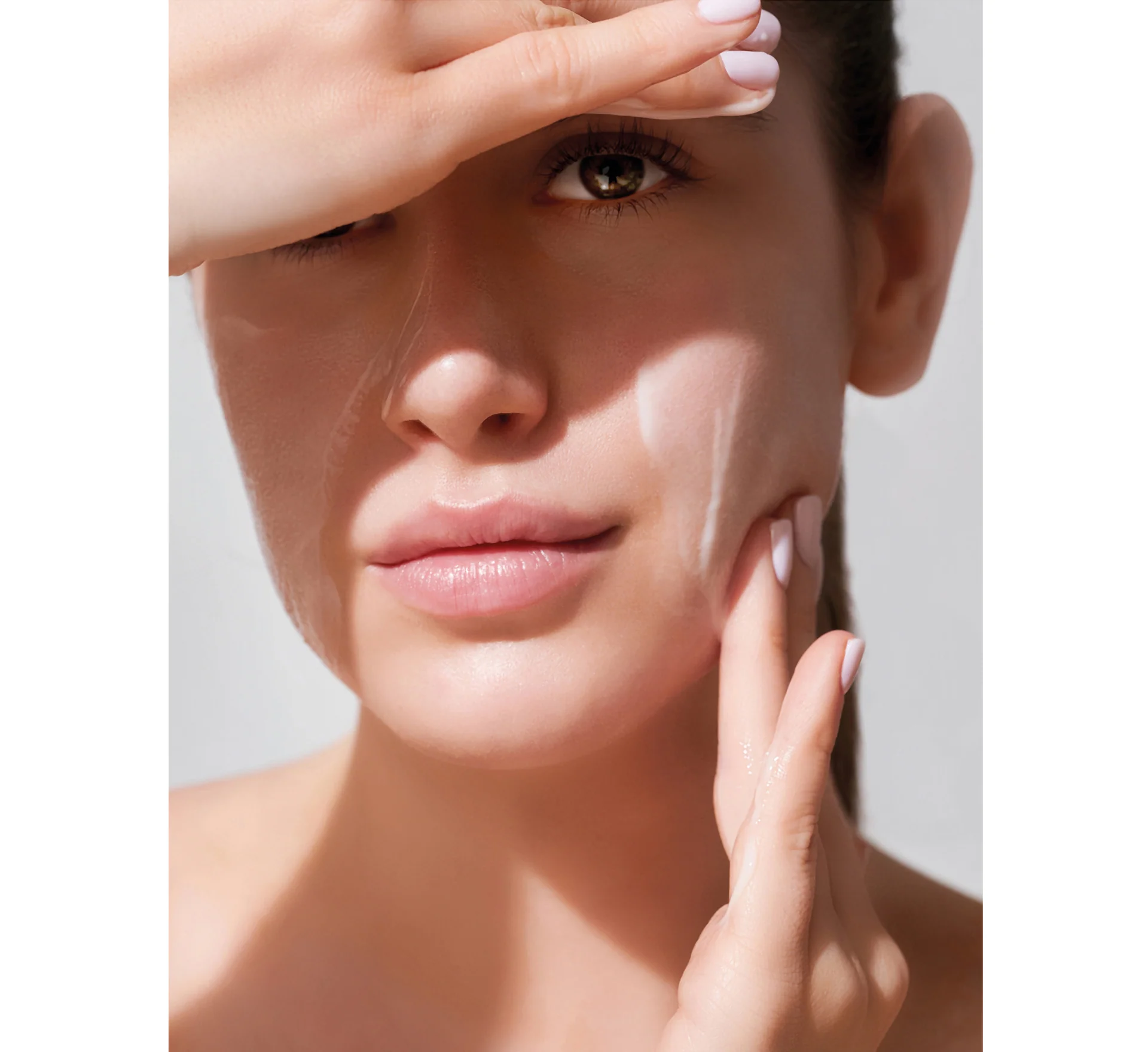
The Swiss Approach to Ageless Skin: Inside the Science of Modern Anti-Aging Care
Walk through any pharmacy in Geneva or Zurich and you’ll notice something: the skincare aisles look less like a beauty counter and more like a small laboratory. Swiss cosmetic culture has always leaned toward precision, and that instinct has quietly reshaped what “anti-aging” actually means. It isn’t about masking a wrinkle for an afternoon. It’s about giving skin the raw materials it needs to keep doing its job for another decade.
SWISS DETOX built its entire philosophy around that idea. Rather than chasing trends, the brand treats the skin as a living organ with its own biology, its own microbiome, and its own repair schedule — and formulates accordingly.
Why Swiss Skincare Thinks Differently
Switzerland’s relationship with cosmetic science goes back further than most people realize. The country’s pharmaceutical industry, watchmaking-grade quality standards, and access to alpine botanical ingredients created a strange but useful combination: chemists who think like engineers, working with plants that grow under extreme UV and cold stress.
Those alpine plants matter more than marketing copy usually admits. Edelweiss, alpine rose, and glacier-fed algae have spent millennia adapting to harsh light and temperature swings, which means they’ve evolved their own antioxidant defenses. When a lab isolates those compounds and stabilizes them in a serum, the skin is essentially borrowing a survival strategy that took a plant thousands of generations to perfect.
The Peptide Question
Peptides get thrown around so often in skincare marketing that the word has almost lost meaning. Worth pausing on what they actually do: peptides are short chains of amino acids that act as messengers, signaling to skin cells that it’s time to produce more collagen, or that a wound needs closing, or that inflammation should calm down.
Not all peptides behave the same way. Signal peptides encourage collagen synthesis. Carrier peptides shuttle trace minerals like copper into the dermis, where they support enzymatic repair. Neurotransmitter-inhibiting peptides relax the tiny facial muscle contractions that eventually carve in expression lines. A well-formulated serum layers two or three of these types rather than relying on one, because skin aging isn’t a single problem — it’s collagen loss, slowed cell turnover, and muscle micro-movement happening simultaneously.
The dosage matters just as much as the ingredient list. A peptide included at a fraction of a percent for the sake of a label claim won’t do much. Clinical formulations tend to sit in a concentration range high enough that independent trials have actually measured a change in skin elasticity, usually over eight to twelve weeks of consistent use.
Probiotics and the Skin Barrier
The other pillar of serious anti-aging science is the skin microbiome, and this is where the field has moved fastest in the last several years. Skin isn’t sterile. It hosts billions of bacteria, and a balanced colony of them actually protects against the pathogenic strains responsible for irritation and breakouts.
Probiotic and postbiotic skincare works by feeding or reinforcing the beneficial bacteria already living on the skin’s surface, rather than trying to sterilize everything with harsh actives. Lactobacillus ferment extracts, for instance, help maintain a slightly acidic skin pH, which in turn keeps the barrier’s lipid layer intact. An intact barrier means less water loss, and less water loss means plumper, more resilient skin — which is really the visible definition of “younger looking.”
This is also why so many luxury formulations now avoid stripping surfactants and high-percentage acids in daily use. The goal isn’t to scour the skin; it’s to keep the barrier calm enough that it can focus its energy on repair rather than defense.
What the Research Actually Supports
It’s worth being honest about where the evidence is strong and where it’s still developing. Topical vitamin C, niacinamide, retinoids, and peptide complexes all have a reasonably deep body of published trials behind them, particularly around collagen density and fine-line reduction. Probiotic skincare is newer territory — promising in early studies, but the long-term data is still catching up to the marketing claims.
A cautious approach treats these categories as complementary rather than interchangeable. Retinoids handle cell turnover. Peptides support structural collagen. Probiotics protect the barrier that has to hold all of that repair work together. Skip one, and the other two have to work harder to compensate.
Building a Routine Around These Ingredients
A sensible anti-aging routine doesn’t need fifteen steps. It needs the right steps in the right order. Cleansing should be gentle enough not to disrupt the microbiome. A vitamin C serum in the morning protects against daytime oxidative stress from UV and pollution. Peptide serums tend to work best applied at night, when skin’s natural repair processes are already active. Sunscreen, unglamorous as it is, remains the single most effective anti-aging product on the market — no serum can outpace daily UV damage.
Patience is the part most people underestimate. Collagen remodeling is a slow biological process; visible change from a peptide serum typically takes two to three months, not two to three days. Skincare that promises overnight transformation is usually leaning on temporary plumping agents rather than genuine structural change.
The Bigger Picture
What separates a well-researched skincare line from a purely cosmetic one is whether the formulation respects skin as a biological system rather than a surface to decorate. SWISS DETOX formulation culture, for whatever historical reason, has tended to land on that side of the divide — treating a serum less like makeup and more like a small, targeted intervention.
That mindset is really the throughline connecting alpine botanicals, peptide signaling, and microbiome science: each one is an attempt to work with the skin’s own repair mechanisms instead of against them. Anti-aging, in this framing, isn’t about defying time. It’s about giving skin the tools to age the way it was built to — slowly, and well.